

The Early Warning Signs and Long Term Effect of Hearing Loss
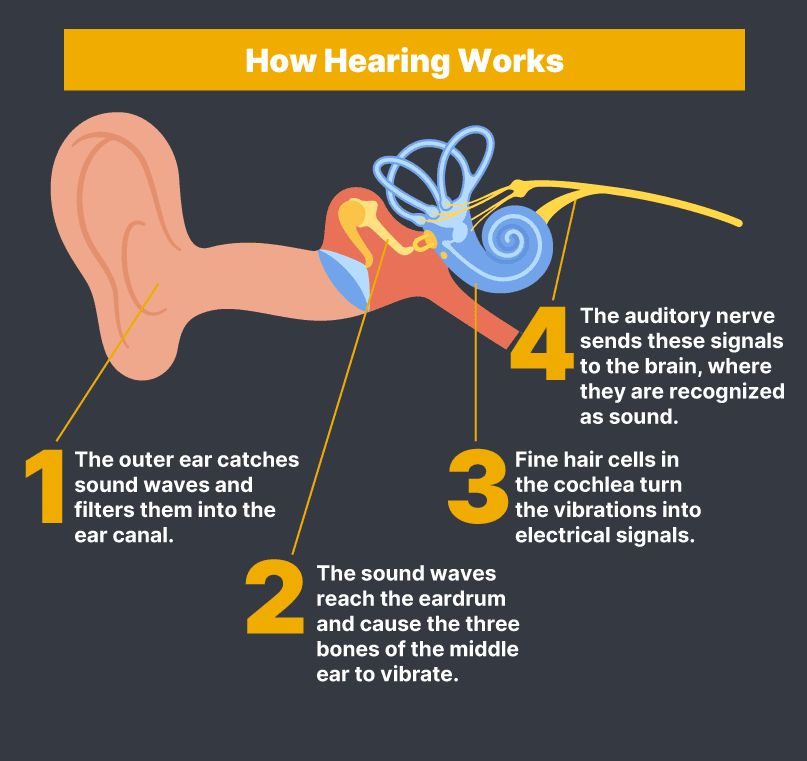
Hearing loss often develops gradually; as a result, the earliest warning signs are easy to miss.
One of the leading symptoms of early-stage hearing loss is tinnitus. Tinnitus is characterized by a ringing, buzzing, or hissing sound in the ears with no external source. The symptoms can be intermittent or persistent, which adds to the complexity of recognition. However, both are considered signs of early damage to the inner ear.
Another important signal of hearing damage is difficulty understanding speech in noisy environments. This doesn’t mean an inability to hear speech but rather a struggle to identify specific sounds, particularly the consonants “s,” “f,” or “t.” These letters specifically give trouble because the first stages of hearing loss affect high-frequency sounds.
In addition, sounds may seem muffled, as if people are mumbling or talking from a greater distance. Many people experiencing early hearing loss have problems distinguishing different pitches, notably higher tones like children’s voices or birdsong.
Hearing loss comes from prolonged exposure to loud noise, which damages the hair cells in the cochlea. These delicate inner ear cells translate sound vibrations into electrical signals. The cells are non-regenerative, and once damaged, the hearing loss is permanent. Experiencing any of the symptoms associated with hearing loss is a reason to see a healthcare provider; the damage is not reversible, but further damage is preventable.
Repeated exposure to loud environments such as concerts, power tools, or listening to headphones at high volumes accounts for cumulative hearing damage over time. Often, this damage builds gradually, with symptoms emerging years later.
The long-term effects of hearing loss go beyond reduced sound perception. As hearing declines, communication becomes more difficult, which can affect both personal relationships and professional opportunities. Many people begin to withdraw socially, avoiding conversations and group settings, which often contributes to increased anxiety, depression, and low self-esteem.
Hearing loss has also been linked to cognitive decline. Adults with impaired hearing are at a significantly higher risk of memory loss and dementia. When the brain struggles to process incomplete or distorted sound, it requires more cognitive effort, which can accelerate mental fatigue and decline. Studies have even found structural changes in brain areas tied to memory and spatial awareness.
These effects can be especially profound in children, where early-onset hearing loss may interfere with speech development, academic performance, and social engagement, often leading to long-term developmental challenges if left unaddressed. In all age groups, hearing also plays a critical role in balance. Damage to the auditory system can reduce equilibrium, increasing the risk of falls and lowering overall quality of life.
Since hearing damage is typically permanent, prevention is critical. Recognizing early symptoms and taking proactive steps, like using hearing protection and limiting high-volume exposure, can help reduce long-term consequences.
Source: https://www.market.com/headphones-speakers/headphones/guides/headphones-hearing-loss-safety-guide/