

Common Questions About Earwax
Earwax may look gross, but it’s actually a good thing. This sticky substance moisturizes the insides of your ear canal. It helps fight off infection by trapping dust and other things. And it also has antibacterial and water-resistant properties.
Does earwax mean my ears are dirty?
Not at all. Everyone’s ears produce earwax. And most of the time, your ears do a good job of cleaning themselves. Earwax moves along the ear canal until it falls out or washes away.
Some people, though, produce more earwax. This is usually due to things that they can’t control, like their genes or how much ear hair they have.
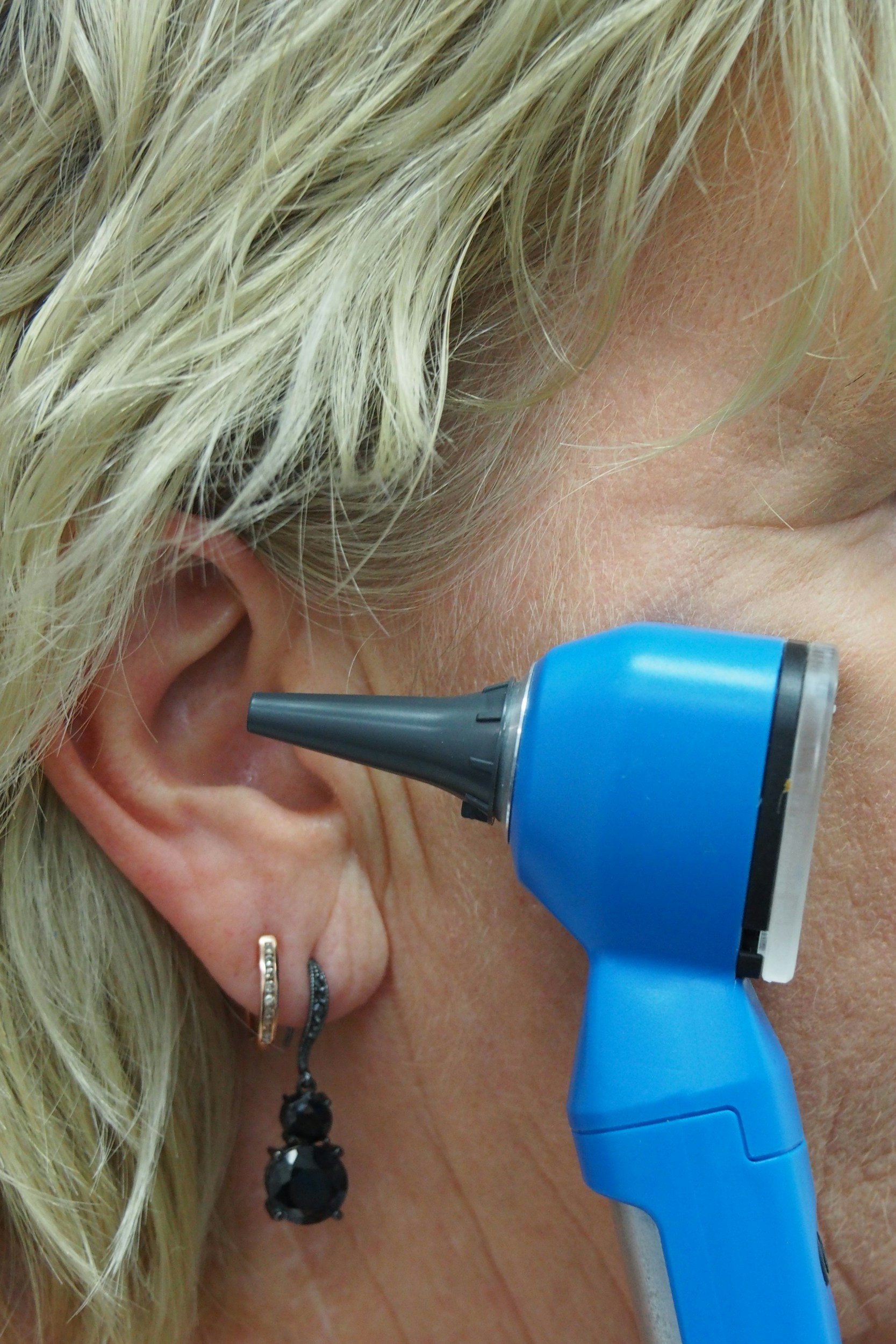
So how much earwax is too much? When a hearing care professional or your primary care provider (PCP) can still see your ear drum during an ear exam, then it’s not an issue. But if they can only see some of the ear drum, then it may be time to remove the excess wax — either professionally or safely at home.
How would I know if I had impacted earwax?
Earwax can become hard, making it tough to wash away. That may make your ears hurt. Some other signs include:
● Feeling as if your ears are plugged up, blocked or full
● Hearing loss
● A ringing sound in your ears (tinnitus)
● Itchiness
● Earache
If you’re a hearing aid wearer, you may start hearing a lot of feedback, squealing or whistling from the hearing aid,or your device may not work as well. If that’s the case, see your hearing care professional. They can check if you have impacted earwax.
Can hearing aids cause earwax problems?
They might. Hearing aids sometimes prevent earwax from flowing out of the ear canal naturally — especially in people who produce more earwax.
If that’s the case for you, regular cleanings by an expert are needed. You can see an ear, nose and throat doctor (ENT), your PCP or a hearing care professional like an audiologist. They can also let you know how to clean your ears safely at home, she adds.
I know you’re not supposed to put cotton swabs in your ears. But why is it so bad?
Because cotton swabs can push earwax back into the ear canal and potentially cause blockage. Push a swab in far enough, and it may even rupture your eardrum. Or damage the fragile skin inside the ear and cause an infection.
Can over-the-counter (OTC) ear drops really help to get rid of earwax?
Yes. These drops work well to dissolve excess earwax, especially if you have a small amount.
Tilt your head to one side and put the drops in the ear that’s facing up. Then lie down on your side for 5 minutes. When you sit up, the drops plus earwax should run out of your ear. You can then wipe the outer ear with a moist towel or washcloth.
The bottom line? Earwax is nothing to be alarmed about. Even if you do produce a lot of it, or wear hearing aids, it can be taken care of pretty easily.